
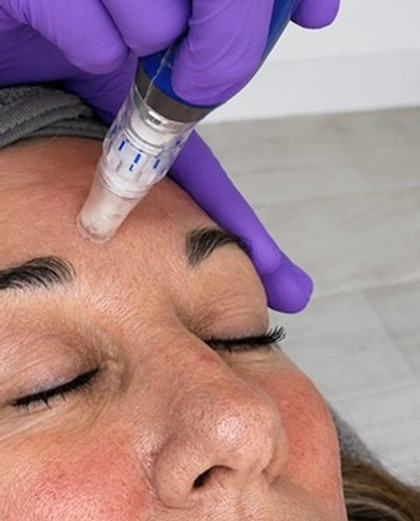
What is Microneedling?
Microneedling, also known as collagen induction therapy, uses very fine needles to create controlled micro-injuries in the skin's surface.
This process triggers the skin's natural healing response, stimulating the production of new collagen and elastin. Over time, this helps improve skin texture, tone, and overall appearance.
Microneedling is valued for its ability to address multiple skin concerns including acne scars, enlarged pores, fine lines, uneven texture, and some pigmentation issues. It is generally considered suitable for many skin types when appropriately selected and performed.

Who May Benefit from Microneedling?
.png)
Those with acne scars or other types of scarring
Uneven skin texture or rough surface
Sun damage and pigmentation concerns
Enlarged or visible pores
Fine lines and wrinkles
Those seeking overall skin rejuvenation
Key Benefits
.png)
Scar Improvement
May help reduce the appearance of acne scars and other types of scarring through controlled collagen induction
.png)
Texture Refinement
Supports skin renewal to improve uneven texture, enlarged pores, and rough skin surface
.png)
Anti-Ageing Support
Stimulates natural collagen production to address fine lines, wrinkles, and loss of firmness

Pigment Concerns
May help improve the appearance of uneven skin tone and some types of pigmentation
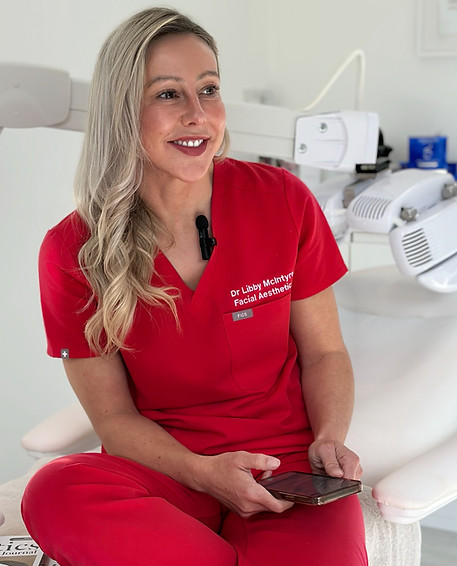
The Science Behind Microneedling
Microneedling creates controlled micro-injuries within the skin, triggering the body's natural wound-healing response. This stimulates the production of collagen and elastin, two essential proteins responsible for skin firmness, elasticity and overall skin health.
As new collagen develops over the following weeks and months, the skin becomes smoother, firmer and more refined. Microneedling can help improve skin texture, reduce acne scars, minimise enlarged pores, soften fine lines and support long-term skin rejuvenation.
Unlike treatments that deliver temporary results, microneedling works with your body's natural regenerative processes to create gradual, natural-looking improvements in skin quality and appearance.
What to Expect
.png)
Dr Libby will assess your skin concerns, review your medical history, and determine if microneedling is suitable for you. Your treatment plan will be tailored to your individual needs.
Consultation
.png)
A topical numbing cream is applied to minimise discomfort. The microneedling device is then passed over the treatment area. Session length varies depending on the area being treated.
Treatment
.png)
Your skin may appear red and feel sunburned for a few days. Swelling, pinpoint bleeding, and minor bruising can occur. Detailed aftercare instructions will be provided to support healing.
Aftercare

Treatment Course & Results
.png)
A course of treatments is typically recommended for optimal results.
Multiple Sessions
1
Month Apart
.png)
Improvements develop over weeks and months as collagen production increases.
Gradual Results
Individual results vary based on skin condition, treatment depth, and personal healing response. Dr Libby will discuss realistic expectations during your consultation.
Safety & Suitability of Microneedling
.png)
Microneedling may not be suitable if you have:
• Active skin infection or inflammation
• Open wounds or irritated skin in the treatment area
• Certain inflammatory skin conditions
• Impaired wound healing or specific medical concerns
• A history of keloid or hypertrophic scarring
Possible side effects include redness, swelling, bruising, pinpoint bleeding, infection risk, and pigment changes. A thorough medical assessment will be conducted to ensure treatment safety and suitability.
Frequently Asked Questions
Ready to improve your skin texture?
Book a consultation with Dr Libby to discuss whether microneedling is right for you
07734 102 100